
OpenAI spent the week pushing GPT-5.6 into public view, from model launches to voice upgrades and a new Work agent. Apple spent the same week turning OpenAI into a courtroom fight over alleged hardware and trade-secret theft.
Model releases & updates
- GPT-5.6 is OpenAI’s new model family, and Sam Altman told CNBC it is 54% more tokenTokenThe unit models actually read and generate — roughly a word-piece. Context limits and API pricing are both measured in tokens. efficient on agentic coding. That matters for teams running coding agents, where token efficiency directly cuts inference cost and latency.
- OpenAI is also publicly releasing GPT-5.6 after earlier government-requested limits, with CNBC reporting U.S. regulatory approval for the rollout. That opens the model to broader enterprise use and removes a distribution constraint competitors did not have to navigate.
- ChatGPT Work is OpenAI’s new long-running agent product for action-taking workflows. That puts ChatGPT closer to a work operating layer for marketers and operators who want it to plan, execute, and follow up instead of just chat.
- OpenAI’s new voice models now handle more natural live conversations with simultaneous speak-and-listen behavior. That makes real-time assistants less robotic and more usable for support, sales, and internal voice tools.
- Gemma 4 arrives as an open-weight, natively multimodal model family in a new technical report. That gives teams another serious open model option for image-plus-text workflows without locking into a closed API.
Money & moves
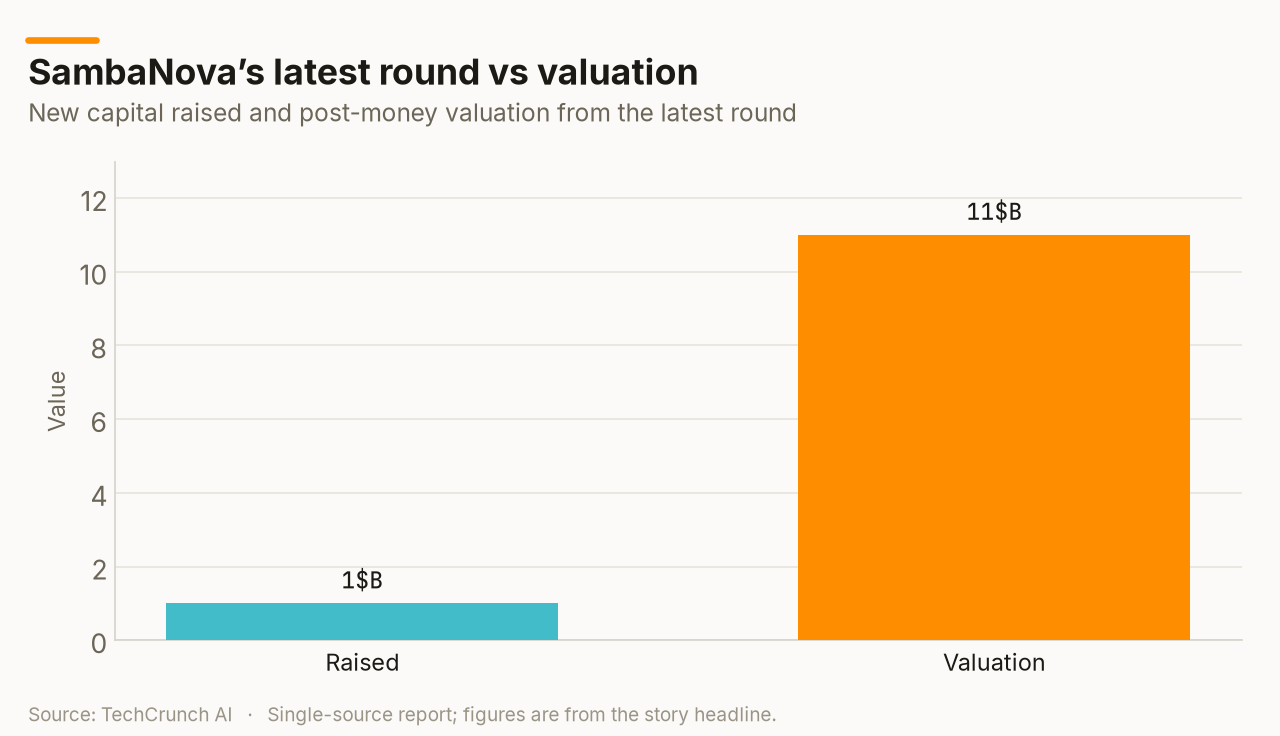
- SambaNova raised $1 billion at an $11 billion valuation, five months after its last mega round. That is a fresh reminder that AI chip and inference infrastructure still attracts huge checks even as consolidation rumors swirl.
- Meta is building its first large Canadian data center for AI expansion. That widens the company’s compute footprint and signals continued spending on physical infrastructure, not just model software.
- Apple sued OpenAI over alleged trade-secret theft, with the complaint saying the scheme was “at every level.” That raises legal risk around talent, hardware ideas, and partner trust for any company shipping consumer AI.
Policy & governance
- U.S. lawmakers are probing the growing use of Chinese AI models inside U.S. companies. That could drive procurement reviews and compliance checks for teams using external models in regulated workflows.
- The New York Times says OpenAI hid evidence in the ChatGPT copyright trial. That raises the stakes in a case that already shapes how model training data gets litigated in court.
- A Grok-linked lawsuit alleges a user made 7,000 sex images of a stepdaughter before killing himself. That will add pressure on model providers to improve abuse detection, reporting, and product safeguards.
- AI-assisted ransomware still needed a human, according to TechCrunch’s report. That matters because it narrows the gap between “AI-enabled” crime and fully autonomous attacks, which is where policy fears usually jump ahead of reality.
Research
- When Agents Remember Too Much: Memory Poisoning Attacks on Large Language Model Agents studies how attacker input can corrupt agent memory. That is relevant for any company deploying persistent assistants, because long-lived memory creates a new attack surface.
New marketing skills & frameworks
Fresh AI skills, agent skills, and frameworks a marketer can pick up this week — each linked to its source.
- Paid Media Audit With Live Data (ds-paid-audit): An AI skill that connects to Google Ads, Meta, and LinkedIn to run structured audits without exporting data, flagging budget waste, audience overlap, and creative fatigue. — Dataslayer
- Marketing AI Skills Library for Claude & ChatGPT: A library of reusable marketing AI skills including a creative brief generator, fatigue detector, voice-of-customer miner, hook generator, and competitor ad-library analyzer. — Uplifted
How this digest is made
This roundup is generated by Letaido, an AI agentAI agentA system that combines a language model with tools and a goal, so it can decide what to do next and act — not just generate text.Read: What Are AI Agents? Definition, Types, and Examples that runs the whole pipeline automatically. Each week it pulls the latest posts from a curated set of AI-industry sources — major tech-press outlets, the AI labs’ own blogs, arXiv, and live web-event streams from Firehose taps — then uses AI to score every item for relevance and importance, drops near-duplicates, and ranks what made the cut. This issue was drawn from 722 stories across 10 sources; 18 made the final digest. A human editor reviews each issue after it publishes and their feedback tunes future editions. Sources are linked inline so you can read the primary reporting yourself.