
One working day. Approximately $500 in AI usage. That's what Ryan Law, director of content marketing at Ahrefs, says it took to turn an idea into the first working version of Conference Spotter, using Letaido.
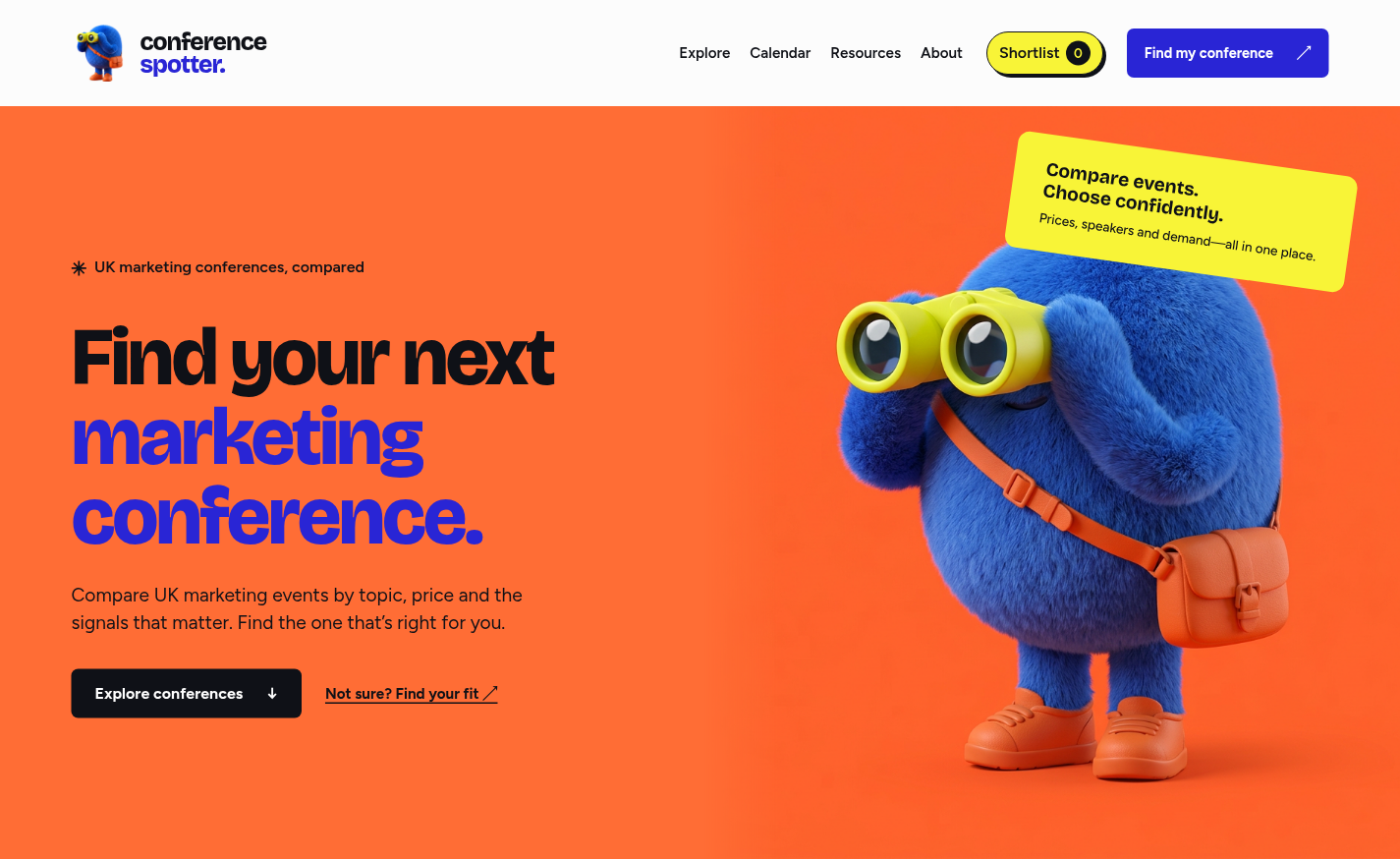
The idea started with a personal goal: Ryan wanted to speak at more conferences. Even with strong connections in the UK's SEO and marketing community, finding events—and discovering them early enough to pitch—meant piecing together information from dozens of websites and social accounts.
“I basically built this as an aggregator, so I'd have all the information I needed—including information you don't typically find on organiser websites—in one place.”
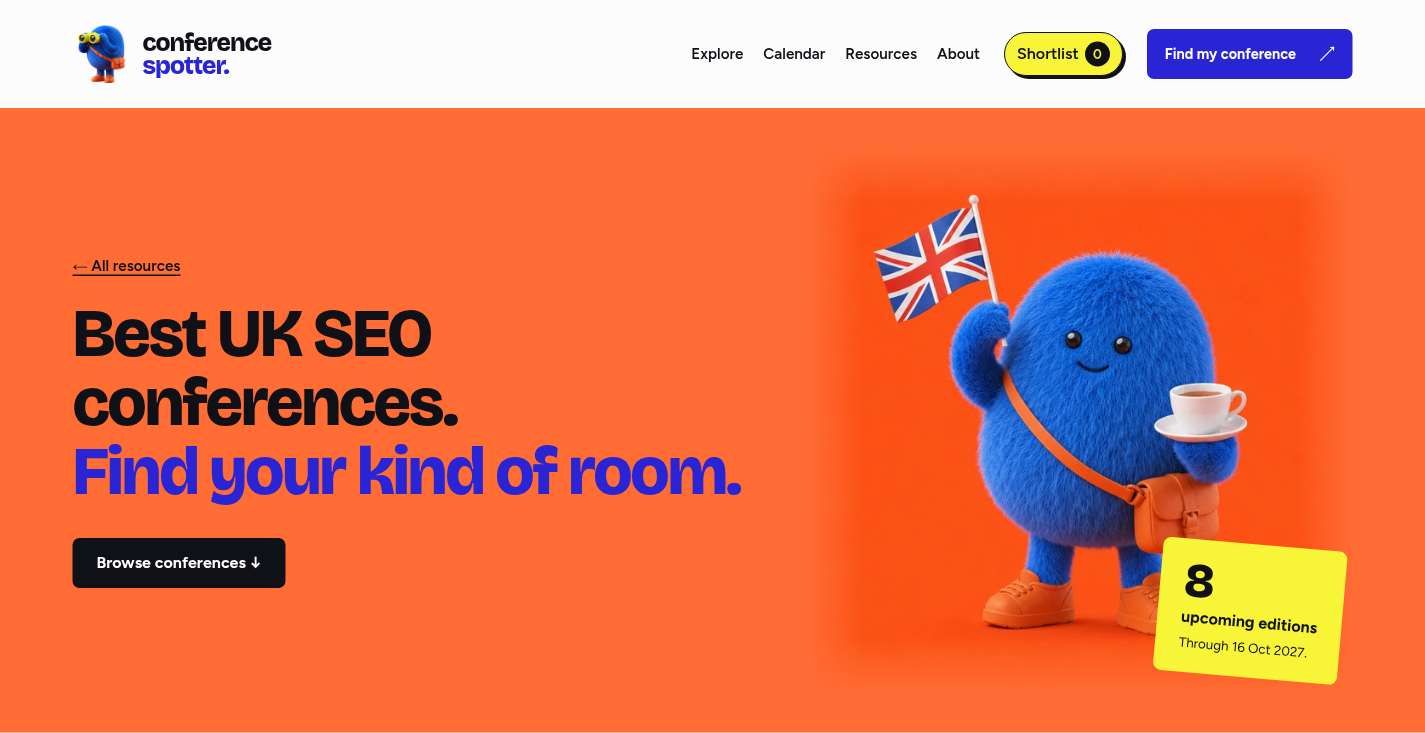
The result is a UK marketing-conference discovery tool that brings together practical details, speaking opportunities, and research-backed signals about events.
Built and launched a working conference tool in one day
Ryan supplied the direction; the AI teammate researched sources, wrote code, connected services, refined artwork, and checked the results. He could review a working site, explain what needed changing, and iterate.
“I could iterate on the website design without having to go back and forth with a design agency.”
This wasn't just generating a mock-up. The site is a database-backed application built with Python, Flask, and PostgreSQL. Letaido also brings domain purchase, hosting, and publishing into the workflow: users can buy a domain with admin approval, connect it to their site, and deploy without assembling a separate hosting setup.
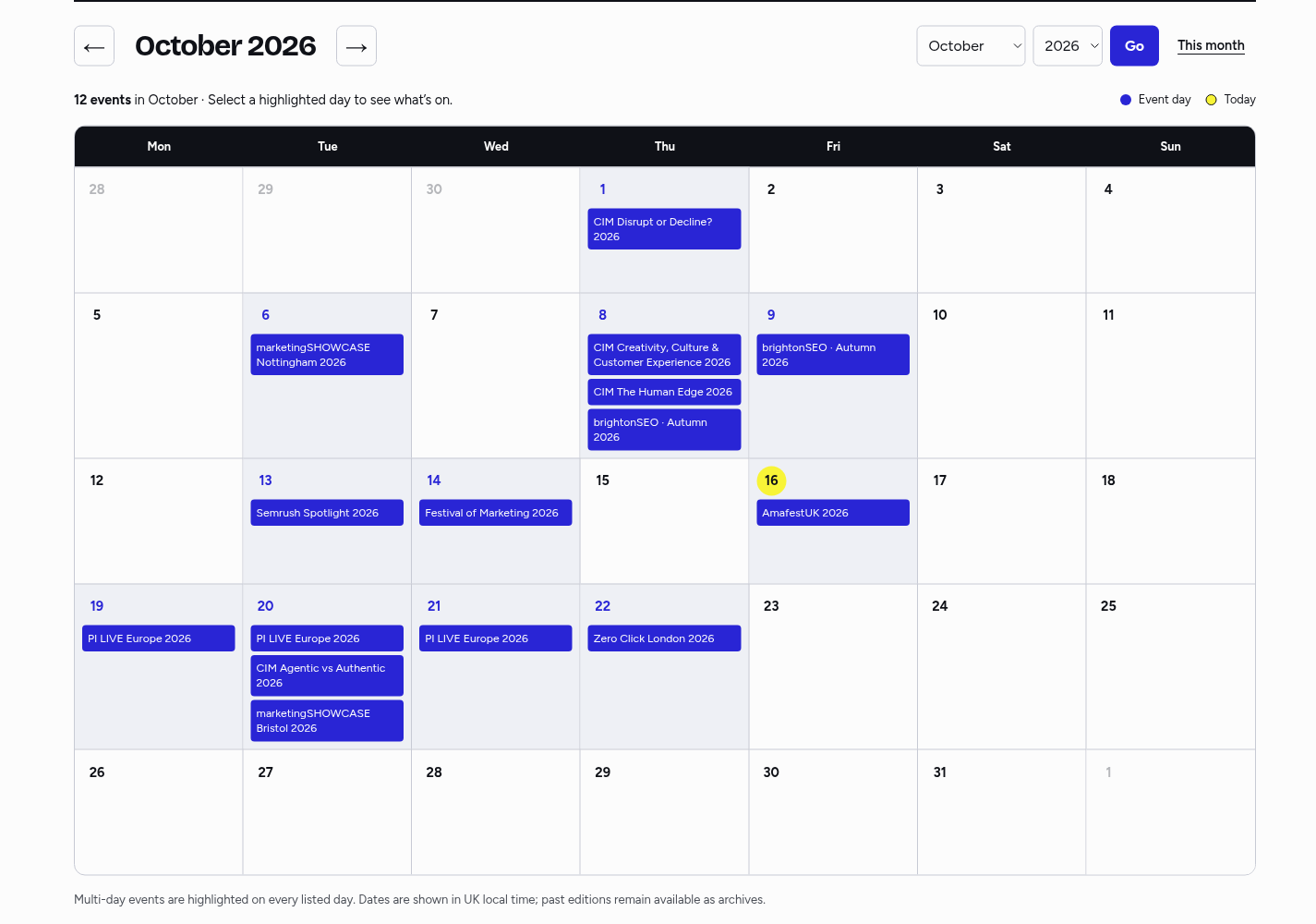
The first version went live in a day; development continued afterwards. By October 16, 2026, the database held 59 event editions across 46 conference brands. Visitors could explore a map or calendar, compare events, save a shortlist, and get preference-based suggestions.
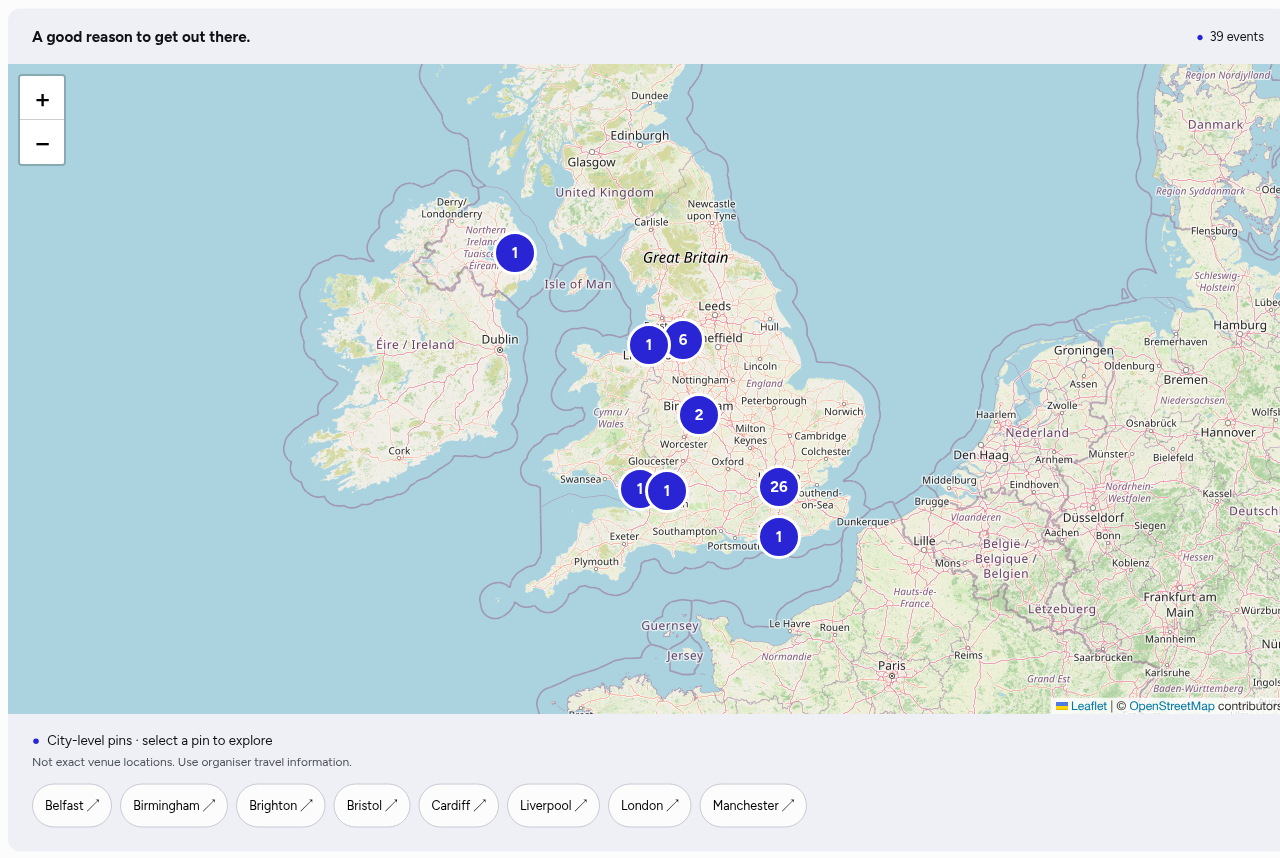
Combined search demand and social data to make conferences easier to compare
The tool combines several sources rather than relying on one feed:
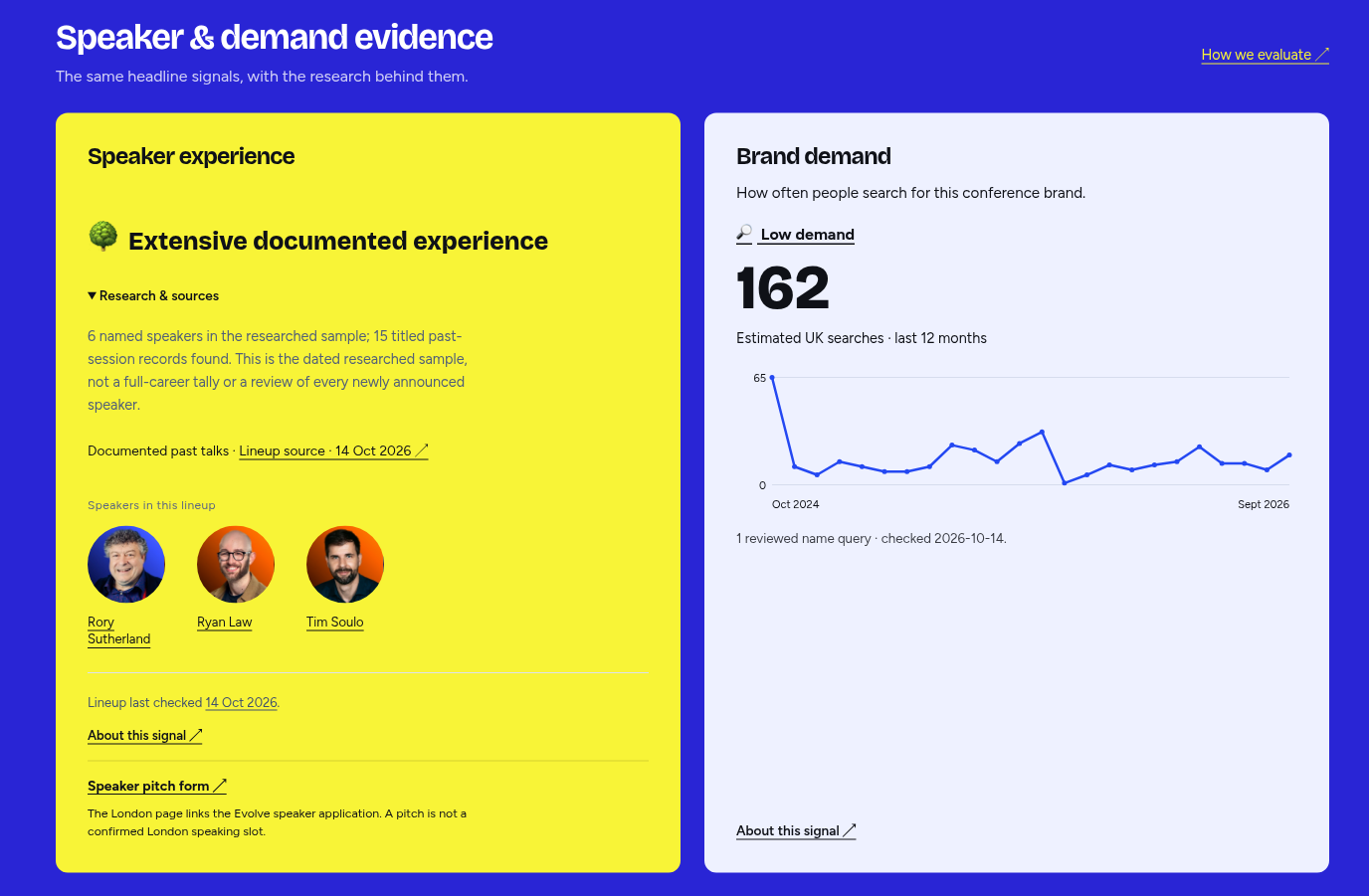
- Official organiser and ticketing pages supply dates, venues, prices, food inclusions, and speaker information.
- Ahrefs Keywords Explorer supplies UK branded-search demand, showing interest in an event—not its attendance or quality.
- Apify collects public LinkedIn posts about selected conference brands. Language models help classify relevant conversation and distinguish promotion from other commentary.
For Ryan, the point was to create something more useful than another AI-generated website:
“I think the thing Google is going to reward is sites that bring new and original data to bear on existing topics. That's what I've tried to do with Conference Spotter: combining novel data sources in a way that genuinely adds value beyond what was already out there.”
Doing that would normally mean fiddly integrations and development work. Here, Ryan could connect the services and explain in plain English what data he wanted.
Launched with about $500 in AI usage, then automated the upkeep
For Ryan, the alternative meant either doing more manually or coordinating separate tools and specialist help. Research, implementation, design changes, and deployment could instead happen in one workspace.
He estimates the AI usage needed to get the first version live at about $500, using OpenAI’s GPT models. He describes that as a fraction of what he would have spent taking a traditional website-builder or agency route. That figure covers the first launch, not lifetime running costs.
The ongoing setup also avoids unnecessary repeat spending. Research results are stored and reused, so opening an event page doesn't trigger a fresh scraper run or AI call. Collection is capped, unchanged posts aren't repeatedly classified, and routine jobs use scripts. Daily social collection covers 15 brands, alongside bounded weekly source checks and monthly event discovery.
“I was basically able to realise the vision I have in my head with Letaido.”
Grow organic traffic, then offer relevant sponsorships
Ryan has no current plans to monetise the site. But for someone pursuing it as a side hustle, the next steps are clear: keep improving the conference data and guides, attract organic search traffic, and offer relevant businesses paid sponsorship placements.
An audience of conference-goers, speakers, and organisers could be valuable to the right sponsor. That creates a potential route from useful side project to profitable niche business—without a large upfront development budget. The fast build makes the idea easier to test; growing the audience is what would make sponsorship valuable.
The difference wasn't that Ryan stopped making decisions. It was that he could turn those decisions into a working product without managing every technical handoff himself.
Ready to turn your own side-project idea into a working website? Start building with Letaido.